
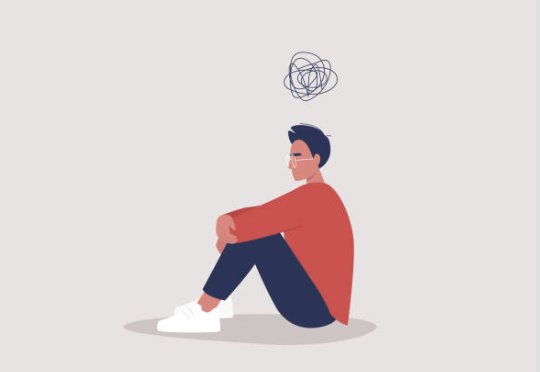
In a world filled with constant notifications, entertainment, and noise, boredom is often viewed as something negative, something to avoid at all costs. However, boredom is actually an important and valuable experience, especially for creativity and mental health. Instead of being a waste of time, boredom can serve as a powerful tool for learning and innovation.
One of the biggest benefits of boredom is that it encourages creativity. When the mind is not distracted by screens or busy schedules, it begins to wander. This mental wandering often leads to new ideas, imagination, and problem-solving. Many creative breakthroughs happen during moments of boredom, when people are forced to think instead of consuming content. As a freshman at Corona del Mar High School, Grant Gould explains, “When I am bored, I end up thinking of ideas I never would have had if I was just scrolling on my phone.” His experience highlights how boredom can spark creativity by allowing the brain to create its own stimulation.
Boredom also helps build independence and self-awareness. When people are bored, they must choose how to spend their time on their own rather than relying on constant entertainment. This strengthens decision-making skills and helps individuals learn more about what they truly enjoy. Freshman at Corona del Mar High School, Saiya Shah supports this idea, stating, “Boredom makes me reflect on what I actually enjoy doing, not just what is easiest or most entertaining.” These moments of reflection help people better understand their interests, goals, and values. Additionally, boredom plays an important role in mental health. Constant stimulation can lead to stress, anxiety, and burnout. Boredom gives the brain time to rest, reset, and recharge, which can improve focus and emotional balance over time.
In conclusion, boredom is not something to fear or eliminate. It is a natural and necessary part of life that encourages creativity, reflection, and personal growth. Embracing boredom can ultimately lead to a healthier and more creative mind.