

Throughout childhood, we move through countless phases. From toddler to child to pre-teen, our lives are marked by changing toys, media, routines, and foods as we slowly figure out what we like, and what we don’t like. Some of these phases pass quickly, but others linger. Certain habits, comforts, and interests stay with us far longer than expected, and sometimes we never truly outgrow them.
As kids, emotions feel bigger and moments feel heavier. Small events once felt monumental, and routines like bedtime, school days, and after-school activities shaped our entire world. As we grow older, those routines shift, but the feelings attached to them don’t always disappear. Nostalgia is powerful; a familiar smell, song, or phrase can instantly transport us back to what we often refer to as “simpler times.” Rather than disappearing, childhood comforts and habits evolve. We don’t erase childhood, we carry it with us. Adulthood often reintroduces the same ideas in new forms, and while our imagination or habits may change, the desire for comfort remains. Many adults pretend they’ve outgrown “childish” things when in reality, those things can still bring genuine happiness.
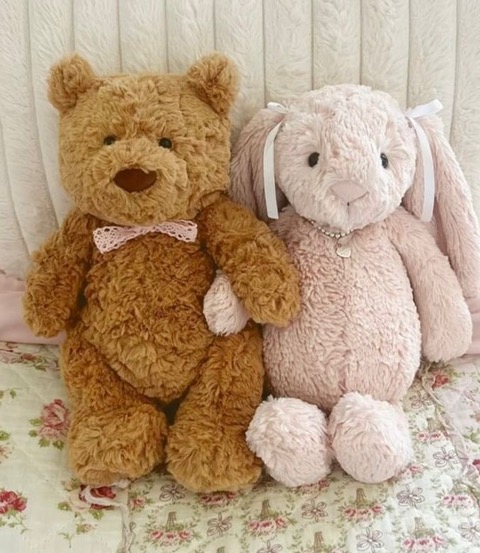
For some, it’s a boy band they loved in elementary or middle school that they still sing along to without hesitation. For others, it’s a childhood TV show or animated movie they turn to during moments of stress or sadness. Maybe it’s stuffed animals still tucked into a bed for comfort, or fidget toys like slime or stress balls that help with focus. It could be a video game that never lost its appeal, or old songs parents used to play that still spark joy. Even things like bright colors, sparkles, or “childish” designs can feel familiar and comforting rather than immature.
CdM junior Lillian Ensley shares her perspective on holding onto childhood habits. “As a kid, I loved blowing bubbles. Many people grew out of that, but I still find myself buying them,” Ensley says. She explains that these habits bring her comfort and joy in ways other things cannot. “Just because I have a ‘childish habit’ doesn’t mean I’m immature. Holding onto parts of my life that feel familiar and warm is important to me.”
Similarly, CdM junior Evelyn Sarnowski finds comfort in revisiting childhood music. “I love listening to the music I was obsessed with when I was younger because it brings me back to different points in my life,” she says. Sarnowski believes that holding onto childhood traditions offers a break from the seriousness of adulthood and helps preserve memories of joyful times.
Whether big or small, these habits should never feel like burdens. Holding onto pieces of childhood doesn’t mean refusing to grow; it means honoring what once made us happy. Sometimes, we don’t outgrow things, and sometimes, that’s more than okay.