
AI is a term commonly tossed around at school, and is, more often than not, discouraged in learning environments. However, things can be very different off-campus. In a lot of work applications, generally where certain, specialized positions require arduous or time-consuming tasks, AI can be incredibly advantageous. When utilized, not only does it make work much more easy to complete, but it can also advance an organization’s interests, improving accuracy and allowing them to take on more opportunities.
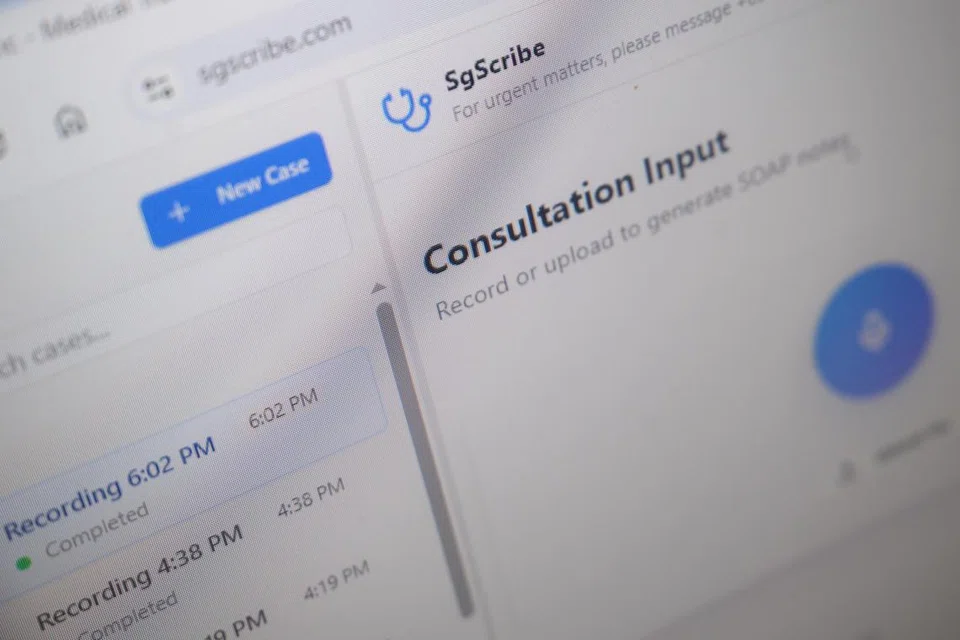
As surprising or startling as it may be, AI is even starting to be put to use in hospitals and related clinics. SgScribe is one tool used to listen to what a patient is feeling and take notes on what they say. Previously, notes have been one of the most time-consuming tasks every surgeon must do. Now, after demonstrating how revolutionary this AI has been for many doctors, the creator, John Tow, illustrates his motives: “If I could make their lives a little bit better, and… save some time… that would really help.”
One 9th grader, Shayan Mansouri, could see the applications for these tools and AI integration overall. After hearing about the recent success of SgScribe, he seemed equally impressed and surprised. “Yeah, I can see why,” he mentioned, being able to foresee the new, incredible possibilities this AI can bring, giving people the power to thrive and achieve what wasn’t considered before.
Adam Al Maleh, a sophomore at CdM, seemed to agree with that as well. “I could see potential uses,” he started, “especially with hard repetitive work,” referring mainly to the difficult lines of work often associated with STEM-related subjects, involving very large amounts of data and long, meticulous calculations.
Although AI’s use in the classroom can be damaging for growth, the opposite may be the case in the corporate setting. With AI now becoming commonly used in medicine, engineering, and other specialties, it clearly demonstrates the numerous benefits it has to the world. After all, it’s now clear that AI isn’t here to replace humans–but to unlock their hidden potentials and break long-standing limits.