
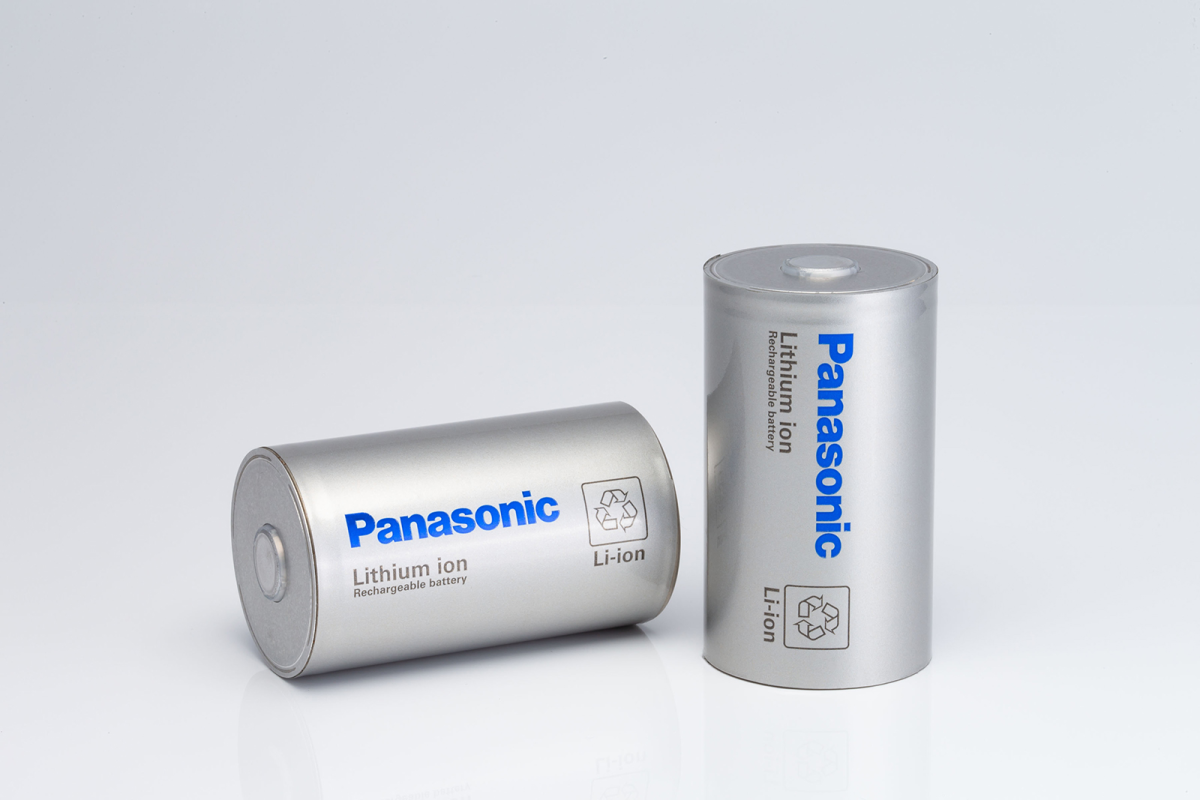
Lithium batteries are around us every day, powering our cars, phones, computers, and calculators. However, this invention seldom came to be. Before lithium-ion batteries, most batteries were tied to a low voltage of around 1.23, since they were water-based. Past that point, the liquid electrolytes would start to be broken down into the gases that made them, mainly hydrogen and oxygen.
But in 1973, demand for a new form of energy was realized, as the Yom Kippur war in the Middle East kicked off. As soon as the U.S. revealed its support for Israel, Arab countries cut off petroleum and natural gas exports, which made prices skyrocket, with oil prices more than doubling in price. Exxon, the largest gas company at the time, poured in resources to research alternatives. Soon, Dr. Stanley Whittingham, a scientist within Exxon, made a new battery, using a lithium salt solvent and pure lithium. This allowed him to reach 2.4 volts; however, it was extremely volatile, causing several fires every time there was a slight error in the production process.
Another scientist, Dr. John Goodenough, followed his work. He improved the design, employing a new, more efficient material, lithium cobalt oxide, which was a less volatile compound that already contained lithium. This allowed him to remove the most dangerous component from Whittingham’s battery: pure lithium. However, it was difficult to find a replacement that was more efficient and energy-dense.
Finally, a third scientist, Dr. Akira Yoshino, found a new material that was discovered within his company, vapor-grown carbon fiber. This had a high energy density and allowed the battery to be reliable, safe, and efficient. Before long, he took it to Sony, which made camcorders and various electronics with very long battery lives, and other companies followed. Now, batteries have gotten powerful enough and cheap enough to build electric cars.
Bode Visser, a freshman here at CdM, found this interesting. “I knew lithium was dangerous,” he started, “so I thought [the pure lithium] caused batteries to explode,” pointing out how batteries are still susceptible to combustion if they short-circuit, despite not using pure lithium. After learning about the story of lithium, Visser had a new scope on the inventions people take for granted daily, noting it was “impressive that these batteries last so long and hold a charge for so long.”
While lithium-ion batteries are impressive in many ways, it is important to point out their flaws. When it comes to renewable energy, lithium batteries are too expensive and not ideal for storing large amounts of energy for later use. Furthermore, lithium-ion batteries use lithium cobalt oxide, which is problematic because cobalt and lithium are notably mined with child labor and other unethical practices in many places. However, issues like these can be fixed with lots of time and effort, which will be prevalent as development continues.