

In recent years, artificial intelligence has started to play a bigger role in education, changing how students learn and how teachers manage classrooms. From personalized learning platforms to automated grading systems, AI is becoming more common in schools around the world. According to UNESCO, “artificial intelligence has the potential to address some of the biggest challenges in education today, innovate teaching and learning practices, and accelerate progress towards SDG 4.” This shows how AI is not just a trend but something that could reshape education in the long term. One major advantage of AI is its ability to adapt to individual students. The World Economic Forum explains that “AI systems can analyze learning patterns and tailor educational content to meet the specific needs of each student.” This means students who struggle with certain topics can get extra help, while others can move ahead faster. It creates a more flexible learning environment compared to traditional classrooms. However, there are also concerns about overreliance on technology. According to a report by the OECD, “while AI can support teaching, it cannot replace the human relationships that are central to effective education.” Teachers still play a key role in guiding students, building connections, and helping them think critically. AI is more of a tool than a replacement. Honestly, before learning about this, AI in school just sounded like something from the future, not something actually happening right now. But the more I hear about it, the more it feels like it’s already becoming normal, especially with things like online homework systems and AI tutors. It’s kind of interesting but also a little concerning, because it makes you wonder how much school will change in the next few years. Nguyen Pham, a 12th-grade student at Corona del Mar High School, noted how “at first I thought AI in education was just about robots or something, but now it’s more like small tools that actually help with learning. It’s helpful, but I still think having real teachers matters more because they understand us better.” While AI in education is still developing, it is clear that it has the potential to improve learning experiences while also raising important questions about the future of teaching.
Categories:
Artificial Intelligence in Education
May 21, 2026
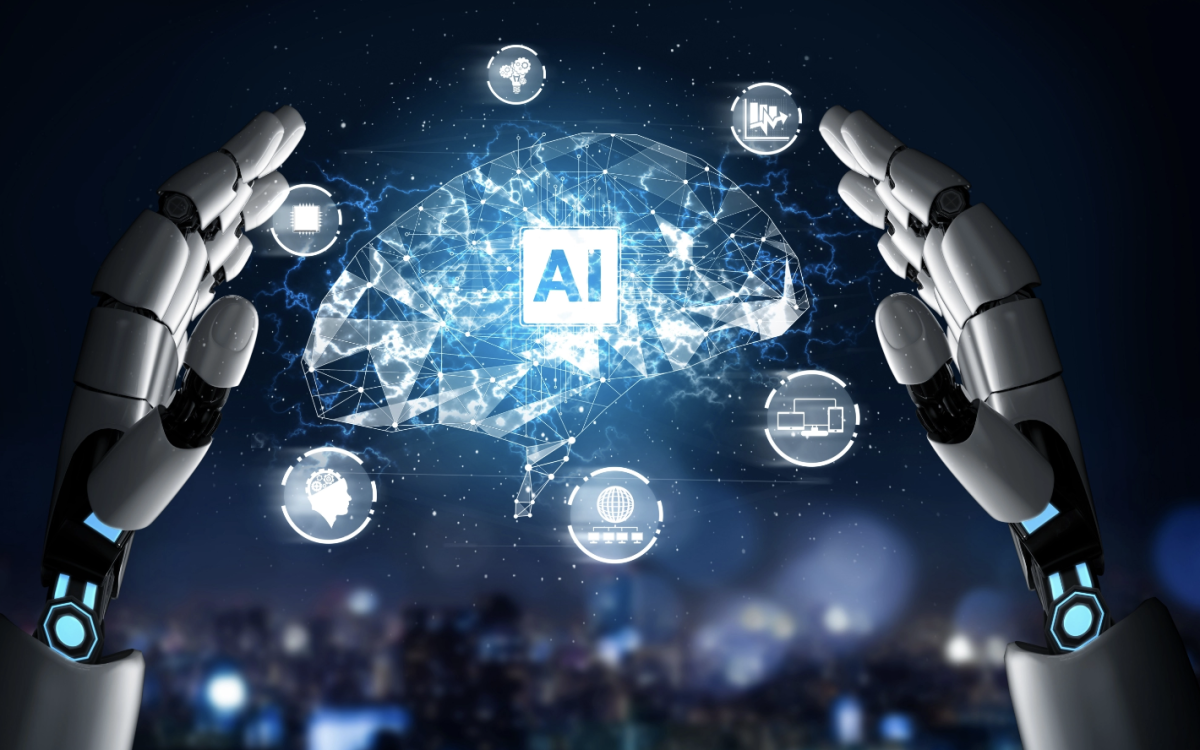
Photo courtesy of AI
More to Discover