

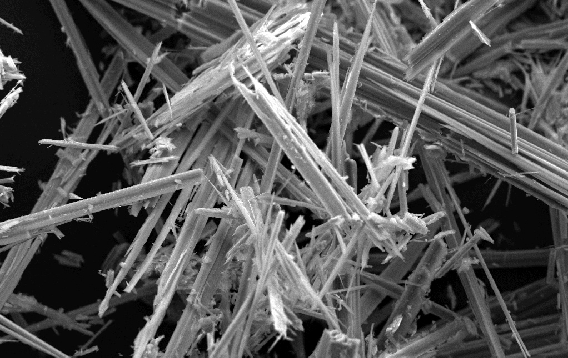
In 1964, a conference organized by Dr. Irving Selikoff first revealed to the public undeniable evidence that the ‘miracle material’ of the age, asbestos, was a highly dangerous carcinogen. At the time, asbestos was used in many products, mainly for uses in insulation and fireproofing. By that age, it had actually saved millions of lives by preventing the spread of embers in large cities.
This raised awareness of the dangers of asbestos, with many asbestos-related factory workers now coming in and reporting health problems. Soon, there were overwhelming efforts all over the U.S. to ban asbestos-related products. And in 1989, comprehensive bans were initiated.
However, that’s not all. Asbestos is a naturally occurring mineral and can be found in many environments. Even in the outskirts of Las Vegas, traces of asbestos have been found in the soil. Not only that, its nature as a fiber doesn’t help either. When asbestos was first “comprehensively” phased out in 1989, it focused on the products that it made up. Only recently were specific types of asbestos, like chrysotile, banned in March of 2024. This was not quick enough, though, for many people had unfortunately succumbed to asbestos-related diseases, like hundreds of residents in Libby, Montana.
Charlie Acheson, a freshman here at CdM, had a few remarks. “I didn’t even think this was still a problem,” he started, “it’s always mentioned as a ‘closed case.’” Acheson brings up a common misconception. Most people tend to associate this issue with the past, like lead or mercury in the early 1900s.
A senior, Ben Goren, had a similar view. He mentioned how he “thought this was over.” He continued, talking about how this was against, meant to be something we were past. Goren questioned the nature of the situation, with real bans and regulations being signed far after the true danger was discovered.
While the situation may be worrisome, with asbestos being in the natural environment, it isn’t something to worry about. Even if there is asbestos on someone’s roof or anywhere else in their house, it is only a problem if it is airborne. Regardless, it is good to know of the risks and how to avoid them. A person knowing if their house is in an area prone to flooding or earthquakes is good knowledge, but they shouldn’t be overly paranoid about it.