

Oil prices have moved up noticeably in March 2026, largely tied to ongoing geopolitical tensions and concerns about supply. Brent crude has generally been trading in the range of $117 to $120 per barrel. As Reuters reported, “Brent crude surged past $119 per barrel as markets reacted to escalating conflict and fears of sustained supply disruption,” reflecting how quickly prices respond to instability. One of the key pressure points remains the Strait of Hormuz. The Financial Times notes that “roughly 20% of global oil supply passes through this narrow corridor,” meaning even limited disruptions can have an outsized impact on global pricing. Because of this, traders tend to react immediately to any threat in the region. At the same time, there are longer-term factors shaping expectations. The U.S. Energy Information Administration explains that “global oil inventories are expected to build over the medium term,” which could eventually push prices down once current disruptions ease. Their outlook suggests an average price of about $79 per barrel in 2026, much lower than current levels. Demand is still increasing, though not as quickly as before. OPEC estimates that “global oil demand will increase by approximately 1.38 million barrels per day in 2026,” reaching about 106.5 million barrels per day. Meanwhile, the International Energy Agency says supply could grow faster, at roughly 2.4 million barrels per day. This could lead to a more balanced or even oversupplied market. Economists are also watching price thresholds closely. Some estimates suggest that “if oil prices were to reach and sustain levels near $130 to $140 per barrel,” recession risks could rise significantly. In the U.S., gas prices are already around $3.80 to $3.90 per gallon. Cyrus Nasseri, a 12th-grade student at Corona del Mar High School, noted how, “At school, a lot of what my friends and I are talking about now is how it costs so much more to fill up our cars now.” Overall, the market reflects a split between short-term shocks and longer-term expectations of stabilization.
Categories:
Oil
A Look into the Volatility
March 23, 2026
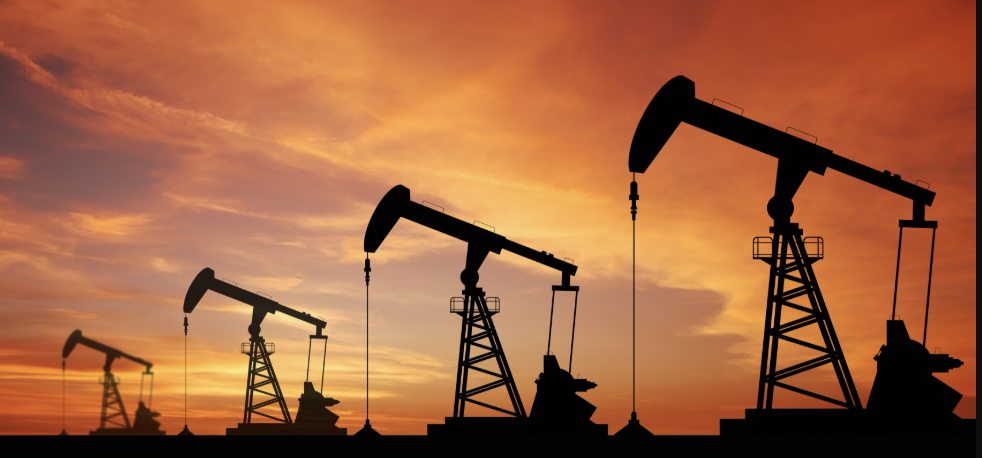
Photo courtesy Oil and Gas IQ
More to Discover